
request a consultation
Fill out our contact form and we’ll be in touch with you right away.
5-Star Reviews



 (813) 871-1300

After a fall, many people in The Villages quietly blame themselves for not watching their step. Often the real cause is a wet floor, a cracked walkway, or a loose stair railing the owner should have repaired, and Florida law places that responsibility on the owner. Mickey Keenan, P.A., serves the community from an office in Oxford, and our The Villages premises liability lawyer team holds owners to that duty when their neglect leads to an injury.
Describe where you fell and what you remember when you phone us at (813) 871-1300, and that first consultation will cost you nothing.
Local Attention From a Team That Knows the Insurer’s Playbook
As a former insurance defense lawyer, Mickey Keenan reviewed injury claims for the companies that pay them. He now reads a premises claim the way an adjuster will, so we can fix weak spots before the insurer finds them. Our firm belongs to the Million Dollar Advocates Forum.
Membership in that group is limited to trial lawyers who have won million-dollar verdicts or settlements, and it reflects results earned for injured people across Florida. Results may vary. Prior case outcomes do not guarantee similar results.
From the first meeting to the final offer, we handle each premises case the same careful way. Our process includes:
- Meeting you at our Oxford office or by phone
- Sending preservation letters for video and incident reports
- Identifying every owner, manager, and contractor tied to the property
- Tracking your medical care and its costs from the first visit
- Handling every call and letter from the insurance company
- Preparing each case as though a jury will hear it
You get a straight assessment of what the evidence supports, even when the answer is not what an insurer wants to hear. Schedule a free meeting in Oxford, and bring any photos you took of the spot where you fell.
What Kinds of Premises Accidents Do We Handle in The Villages?
We handle injuries caused by unsafe conditions on property that someone else owns or controls. These claims come from homes, businesses, and shared community spaces, and they include:
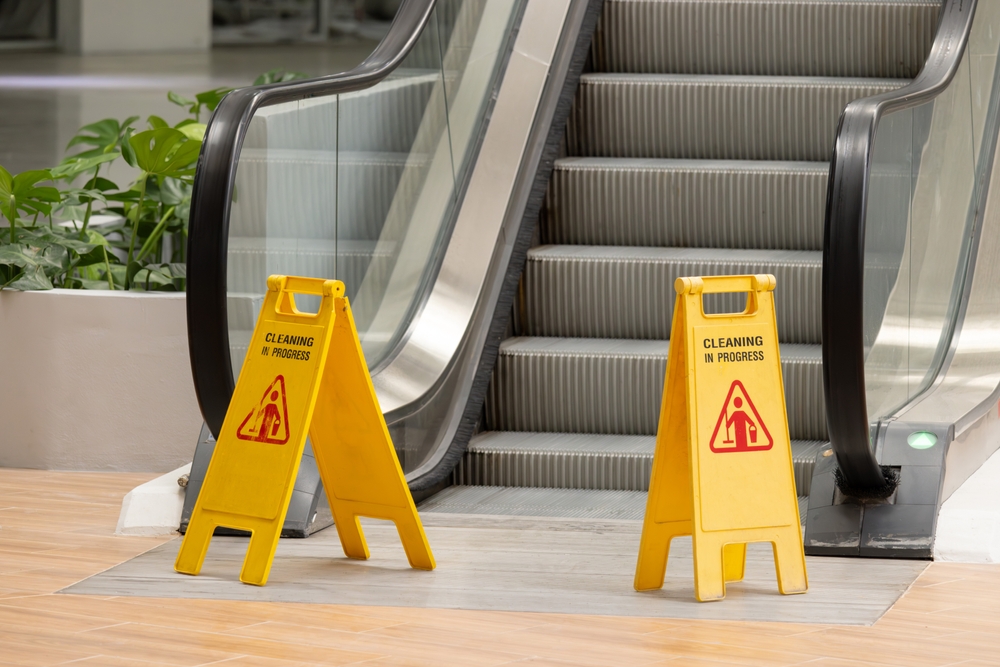
- Slip and fall accidents on wet or freshly waxed floors
- Trips over cracked pavers, curbs, or uneven sidewalks
- Falls on dim stairways or broken handrails
- Pool deck and locker room falls
- Injuries on damaged golf cart paths
- Falling merchandise in retail stores
- Assaults tied to inadequate security
- Elevator and escalator malfunctions
- Collapsing furniture, decks, or balconies
For adults over 65, a fall can mean a serious injury and a long recovery, so prompt medical attention is important. If your injury appears on this list, a free call with our The Villages slip and fall attorney team can help identify who may be responsible.
Who Is Liable for Your Injury on Someone Else’s Property?
The person or business that owns or controls the property is usually responsible, though several parties can share the blame. Depending on how the property is run, liable parties may include:
- Business Owners: Stores, restaurants, and gyms must inspect their floors and fix hazards within a reasonable time. Their commercial insurance usually handles the claim.
- Homeowners and Hosts: A homeowner who knew about a loose step or slick lanai can be liable to guests. Homeowners insurance typically covers these injuries.
- Landlords and Property Managers: Owners who lease space often keep responsibility for common areas and structural repairs. The lease terms help decide who pays.
- Maintenance and Security Contractors: Companies hired to clean floors, repair paths, or guard a property answer for careless work.
- Government Bodies: Some public spaces belong to local government units. Claims against them follow special rules.
Specifically, many recreation centers, executive golf courses, and multimodal paths in The Villages belong to Community Development Districts, which are units of local government under Florida law. Claims against government units require written notice before a lawsuit and carry limits on how much the district must pay, under Florida Statutes Section 768.28.
A notice sent to the wrong property owner can delay a claim by months. Share the location of your fall with our The Villages premises liability lawyer team so they can identify who owns or controls the area.
Visitor Classifications and the Duty of Care in Florida
Florida law bases a property owner’s duty on why someone enters the property. Visitor categories each carry a different level of responsibility:
- Invitees (Highest Duty): Owners must keep the property reasonably safe. That includes checking for hazards and warning of dangers they know or should know about. These protections cover people invited for business or public purposes, including shoppers and restaurant diners.
- Licensees (Moderate Duty): Owners must avoid willful or reckless harm and warn of known hidden dangers. This duty applies to people who enter with permission for their own purposes, such as someone allowed to cut through a parking lot.
- Trespassers (Lowest Duty): Owners must avoid intentionally harming trespassers and have additional duties once they become aware of their presence. Trespassers enter without permission, such as someone taking a shortcut through a private yard without the owner’s consent.
For discovered trespassers, owners must avoid gross negligence and warn of known dangers that are not readily visible, under Florida Statutes Section 768.075. In contrast, invited social guests at private homes qualify as invitees and are owed reasonable care.
If an insurer argues you had no right to be there, ask us to review how your visit should be classified. Visitor status often comes down to small facts, like whether a sign or gate limited access.
Evidence That Proves Liability in a Villages, Florida Injury Claim
Proving a fall case takes strong evidence that shows that the hazard existed, that the owner knew or should have known about it, and that it caused your injury. Business slip and fall cases carry an extra hurdle.
You must prove the business had actual or constructive knowledge of a spill, meaning it knew or should have known because the hazard lasted long enough or kept happening, under Florida Statutes Section 768.0755.
The primary reason we move quickly is that stores can record over camera footage within weeks. Step one is locking down proof such as:
- Surveillance video from the property
- Written incident reports
- Photos of the hazard and the surrounding area
- Cleaning and inspection logs
- Maintenance and repair records
- Prior complaints about the same condition
- Witness names and statements
- Medical records linking the fall to your injuries
Share whatever evidence you have, even a single phone photo, with our Villages, Florida injury lawyer team, and we can request additional records.
What to Keep After Your Accident
Store the shoes and clothing you wore in a bag without cleaning them. Write down the names of employees you spoke with and anything they said about the hazard. Save your paper trail, such as receipts, parking stubs, and phone records that place you at the property that day.

What Can a Retirement Community Injury Claim Recover?
Your retirement community injury claim can cover the money the fall cost you and the ways it changed your daily life. Depending on your injuries, damages may include:
- Emergency room and hospital bills
- Surgery and follow-up care
- Inpatient rehab and skilled nursing stays
- Physical and occupational therapy
- Home health aides and household help
- Mobility aids and home safety changes
- Lost income for those still working
- Pain, suffering, and lost enjoyment of life
For retirees, an injury may mean giving up favorite activities, such as pickleball, golf, or evenings of music on the square. Medicare payments also affect which medical expenses a jury can consider. Evidence of past medical bills that have been satisfied generally is limited to the amounts actually paid, so the damages claim must account for those limits, under Florida Statutes Section 768.0427.
When a fall proves fatal, the estate’s personal representative may bring a wrongful death claim, and surviving family members may recover funeral costs, lost support, and lost companionship. Find out what your claim may be worth before an adjuster sets the number for you.
How Do Insurers Evaluate a Fall Claim in The Villages?
Insurers evaluating a fall claim often look closely at the injured person’s health history and actions before the fall. Questions about a prior fall, vision, or medications often come up as the insurer weighs whether the fall would have happened anyway.
Florida law does not excuse an at-fault property owner simply because you were more vulnerable to injury. If a health condition made you more likely to be hurt, the owner can still be responsible for the full harm the fall caused.
Adjusters may request a recorded statement shortly after the accident, while you are still taking pain medication. An offhand comment like “I should have watched my step” could be used months later to argue that you share the blame.
Our The Villages premises liability lawyer team answers these questions with medical testimony and the property’s own records. Before you give any statement, call us and let us handle that conversation.
FAQs: The Villages Premises Liability Lawyer
Residents and their families commonly ask the following questions after a fall in a retirement community.
How Long Do You Have to File a Premises Liability Claim in Florida?
Most premises liability claims in Florida must be filed within two years of the injury, under Florida Statutes Section 95.11. Wrongful death claims after a fatal fall also carry a two-year limit, counted from the date of death.
Does Sharing Some Blame Cancel Your Claim?
Sharing some blame cancels your claim only if your share of fault exceeds 50%. Under Florida’s modified comparative fault rule, a jury reduces your award by your percentage of responsibility, under Florida Statutes Section 768.81. For example, a shopper found 25% responsible for looking at a phone could still collect 75% of the damages.
What if a Hazard Was Open and Obvious?
An obvious hazard may relieve an owner of the duty to warn you, but it does not excuse a failure to fix it. Florida courts still expect owners to keep property reasonably safe, and the obvious nature of a danger usually becomes part of the shared-fault argument.
Can a Family Member Handle Your Claim While You Recover?
A family member can help handle your claim within limits. A spouse or adult child can contact us, gather records, and join meetings, though you will need to approve key decisions or have a valid power of attorney in place.
Can You Still File if You Did Not Report Your Fall Right Away?
You can still file a claim if you did not report your fall right away. You may leave a store or recreation center feeling embarrassed and not realize until hours later how badly you were hurt. A delayed report can make the claim harder to prove, but medical records, receipts, and card transactions can help support your account of when and where the fall occurred.
Should You Accept a Store’s Offer to Cover Your Medical Bills?
Think carefully before accepting a store’s offer to cover your medical bills. Some early payments come with a release that ends your right to seek money for future care or pain, and signing usually closes the claim for good. Let us read any paperwork before you put your name on it.
Which Courthouse Would Hear a Villages Premises Case?
The courthouse that hears a Villages premises case depends on where you fell, since The Villages crosses three counties. Sumter County cases go to the courthouse in Bushnell, Lake County cases to Tavares, and Marion County cases to Ocala, all within Florida’s Fifth Judicial Circuit.
Let Our The Villages Premises Liability Lawyer Team Carry the Claim
Recovery after a fall takes patience, and so does a fair claim. Mickey Keenan, P.A., will handle the insurer, the records, and the deadlines while you rebuild your strength.
Call our premises liability lawyer Oxford FL team at (813) 871-1300 for a free consultation. Our Oxford office is on County Road 106, a short drive from Spanish Springs, Lake Sumter Landing, and Brownwood.